


Blog
The Ultimate Guide to Wedding Florists and Flower Bouquets
Nov
Planning a wedding involves a million decisions, but few are as visually impactful as the choice of blooms. From the moment you walk down the aisle to the last dance under twinkling lights, the right floral designs infuse emotion, style, and meaning into your celebration. In this guide, we explore how to work with wedding florists and design stunning flower arrangements, covering everything you need to know to bring your vision to life.
Wedding Florists: Why They Are So Important
Choosing among wedding florists is more than just comparing price tags. A talented professional will translate your aesthetic into real arrangements, manage logistics, coordinate with your venue, and ensure your flowers flourish on the big day. The best wedding florists bring creativity, organization, and floral expertise, making them an essential partner, not just a vendor.
Here’s what exceptional wedding florists do:
- Interpret your style and venue into floral design
- Source blooms suited to your season, budget, and theme
- Handle delivery, setup, and breakdown so you don’t worry
- Account for timing, durability, and photo-friendly arrangements
When you hire wedding florists who are aligned with your aesthetic and logistical needs, your flowers become more than decorations; they become an experience.
How to Select the Right Wedding Florist
When meeting with potential wedding florists, use the following criteria to guide your decision-making.

Review Portfolios and Style Match
Look at previous weddings they’ve done and ask: Does this reflect your taste? Some wedding florists specialize in minimalist modern designs; others excel at lush garden-style arrangements. Choose someone whose aesthetic aligns with yours.
Ask About Process and Timeline
Good wedding florists will explain their workflow: when design consultations happen, when blooms are ordered, and how they manage setup and takedown. You want clarity on who does what and when.
Discuss Budget Honestly
Flowers can account for 10-15% of your wedding budget. When you share a realistic budget early, your florist can suggest options that maximize impact without overspending.
Sample a Proposal
A professional florist will provide a written proposal detailing which arrangements, flowers, and services are included. It’s your chance to ask about delivery, substitutes, and any additional fees.
Check Availability Early
Top wedding florists book fast, especially during peak wedding months. Secure your date early to avoid missing your preferred vendor.
Unpacking Wedding Flower Arrangements
Now let’s dive into the types of floral details you’ll encounter, both for your bridal party and your venue.
Bridal Party Flowers
- Bridal Bouquet: The focal piece carried by the bride. Choose blooms that feel meaningful, photograph well, and complement your gown.
- Bridesmaid Bouquets: Smaller versions of the bride’s bouquet or gentle variations that tie in with the overall palette.
- Boutonnieres & Corsages: Small wearables for the groom, groomsmen, mothers, and grandmothers. They coordinate without overshadowing.
- Flower Girl Accents: Think mini bouquets, wands, baskets of petals, or delicate wrist corsages.
Venue and Ceremony Flowers
- Aisle Markers & Petals: Simple touches along rows of chairs or scattered petals that set the path.
- Floral Arch / Ceremony Backdrop: A dramatic way to frame your vows.
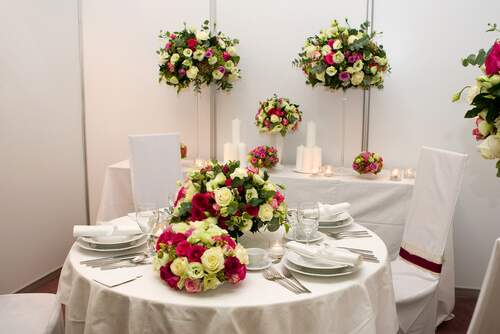
- Reception Centerpieces: Tablescapes that reflect your flower theme, low vases for guest interaction or tall installations for wow-factor.
- Floral Installations and Hanging Arrangements: For grand venues, think beyond vases, balloons, suspended hoops, or draped florals to add dimension.
Making a Beautiful Wedding Flower Bouquet
Designing your wedding flowers should be an experience, not a stress. To know how to make a beautiful wedding flower bouquet, collaborate with your florist and use these steps.

- Define Your Style and Colour Palette: Pin photos, choose fabrics or dresses, and identify your key tones. Whether soft blush, vibrant jewel tones, or minimalist white/green, this becomes your floral foundation.
- Consider Seasonality: Season impacts both availability and cost. Ask your wedding florists which flowers are in season and whether alternatives may provide similar visual appeal for less.
- Choose Statement Pieces First: Begin with the bride’s bouquet and one impactful installation (like an arch), then allocate the remaining budget to smaller elements. These choices guide everything else.
- Layer in Supporting Details: Bridal party pieces, reception vases, cake flowers, all of these complement your main floral design. The goal is visual cohesion, not every element being the same.
- Discuss Logistics & Durability: Your flowers should look fresh from the ceremony through dancing. Ask your wedding florists about delivery timing, refrigeration, hydration, and climate handling.
- Personalize the Design: Whether it’s a particular bloom with meaning or custom ribbons, let your personality shine through. These touches make your flowers uniquely yours.
Alternatives to Wedding Flower Bouquets
You love the idea of bouquets, but maybe want something unexpected? Here are some creative alternatives to traditional wedding flower bouquets:
- Floral hoops carried instead of traditional bouquets
- Succulent accents or greenery-only bouquets for a modern twist
- Handheld baskets with seasonal blooms for a rustic feel
- Textile or dried flower arrangements that double as keepsakes
- Wearable blooms, like floral cuffs or hairpieces, for the bride or bridesmaids
These alternatives offer personality and often cost-effective options, especially when you want standout visuals without blowing the budget.
Wedding Flowers Budget Insights
Money matters. Here’s how to make the most of your floral investment with your wedding florists.
Typical Cost Breakdown
- Budget-conscious weddings allocate around 10% of the total budget to flowers.
- A wedding bouquet cost can be more than you think due to premium blooms and design work; size is less important than flower variety and craftsmanship.
Ways to Get More Value
- Use the same bouquet for the ceremony and reception photos.
- Reuse ceremony arrangements in the reception space.
- Choose seasonal or locally grown flowers to reduce shipping/import fees.
- Focus on key visual elements and scale back on less‐viewed areas.
- Consider donating or re-picturing dried/kept flowers after the event.
Working Seamlessly with Wedding Florists
To make the flower process smooth and enjoyable, follow these best practices:
- Start Early: Two to six months ahead is ideal for floral planning.
- Communicate Clearly: Send inspiration, dress photos, and venue pictures.
- Document Everything: Email summaries of design decisions, costs, and delivery timing.
- Stay Flexible: Be open to blooms that may need substitution due to season or supply.
- Schedule a Final Walk-through: A chance to confirm setup details and final counts.
Good wedding florists significantly reduce your stress and bring your dream into bloom.
Partner With JMK Florist as Your Wedding Florist
Flowers aren’t just decor; they tell your story, anchor your theme, and provide those little moments of beauty you’ll remember long after the day has ended. At JMK Florist, we understand each of these aspects. Our team of wedding florists consider a thoughtful approach to design, details, and presentation, ensuring your floral dream for your wedding day can become a reality without blowing the budget or losing your joy in the process.
So, whether you’re envisioning a garden-lush bouquet, a minimalist statement arrangement, or a creative floral twist no one has done before, connect with the JMK Florist’s team to partner with us as we care about your vision.